

In the intricate web of an elevator electrical system, the AC MCB (Alternating Current Miniature Circuit Breaker) plays a pivotal role. As a seasoned AC MCB supplier, I've witnessed firsthand the critical importance of these devices in ensuring the safety and reliability of elevator operations. In this blog, I'll delve into the inner workings of an AC MCB in an elevator electrical system, exploring its functions, benefits, and the key factors that make it an indispensable component.
Understanding the Basics of an AC MCB
Before we dive into how an AC MCB operates in an elevator system, let's first understand what it is. An AC MCB is a protective device designed to automatically interrupt an electrical circuit when it detects an overcurrent or a short circuit. It acts as a safeguard, preventing damage to electrical equipment and reducing the risk of electrical fires.
The fundamental principle behind an AC MCB is based on the magnetic and thermal properties of electricity. When an overcurrent occurs, the magnetic field generated by the current causes a magnetic trip mechanism to activate, instantly opening the circuit. In the case of a long - term overloading, the heat generated by the excessive current warms a bimetallic strip. As the strip heats up, it bends and triggers the trip mechanism, also breaking the circuit.
The Role of AC MCB in an Elevator Electrical System
Elevators are complex machines that rely on a sophisticated electrical system to function properly. The AC MCB serves as a front - line defense in this system, protecting various components from electrical faults.
Overcurrent Protection
One of the primary functions of an AC MCB in an elevator is to protect against overcurrent. Elevator motors, control panels, and other electrical components can draw excessive current due to various reasons, such as a mechanical jam in the motor or a fault in the control circuitry. An overcurrent can cause overheating, which may lead to damage of the components or even a fire. The AC MCB senses the overcurrent and quickly interrupts the circuit, preventing any potential damage.
Short - Circuit Protection
Short circuits are another significant threat in an elevator electrical system. A short circuit occurs when there is an unintended low - resistance connection between two points in the circuit. This can cause a massive surge of current, which can be extremely dangerous. The AC MCB's magnetic trip mechanism is designed to respond almost instantaneously to a short - circuit situation. When a short circuit occurs, the high - current flow generates a strong magnetic field that immediately activates the trip mechanism, cutting off the power supply.
Ground - Fault Protection
In addition to overcurrent and short - circuit protection, some advanced AC MCBs also offer ground - fault protection. A ground fault happens when an electrical current leaks to the ground through an unintended path. This can pose a serious risk of electric shock to passengers and maintenance personnel. The AC MCB can detect these ground - fault currents and trip the circuit, ensuring the safety of everyone in and around the elevator.
Components and Mechanisms of an AC MCB in an Elevator
Contact System
The contact system of an AC MCB is responsible for making and breaking the electrical connection. It consists of fixed and movable contacts. When the circuit is normal, the contacts are closed, allowing the current to flow. When a fault is detected, the trip mechanism causes the movable contact to separate from the fixed contact, interrupting the current flow.
Trip Unit
The trip unit is the brain of the AC MCB. It contains the magnetic and thermal elements that sense the current conditions. The magnetic element responds to high - magnitude, short - duration currents (such as those in a short - circuit), while the thermal element reacts to long - term overcurrents. The trip unit is calibrated to trip at specific current levels, ensuring accurate protection.
Arc Extinguishing Chamber
When the contacts of the AC MCB separate, an arc is formed due to the ionization of the air between the contacts. The arc can be very hot and can cause damage to the contacts and other components. The arc extinguishing chamber is designed to quickly extinguish the arc. It uses various techniques, such as splitting the arc into smaller arcs and cooling them, to ensure that the arc is extinguished safely and quickly.
Advanced Features of AC MCBs for Elevators
As technology advances, AC MCBs for elevators are equipped with more advanced features to enhance safety and reliability.
Combined Residual Current And Overcurrent Protection Device
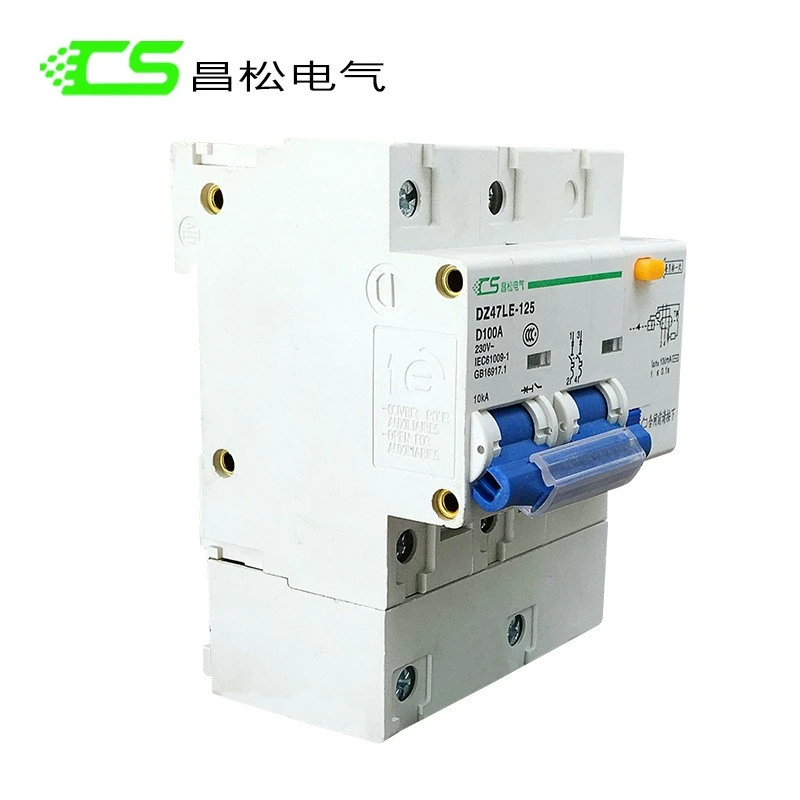
Some AC MCBs offer combined residual current and overcurrent protection. This device can detect both overcurrents and residual currents (such as those caused by ground faults). By integrating these two functions into one device, it simplifies the electrical system design and provides comprehensive protection.
MiniMelt Mechanism
The MiniMelt mechanism is another innovative feature in some AC MCBs. It provides a high - speed, reliable trip function. The mechanism uses a special alloy that melts at a specific temperature. When an overcurrent occurs, the alloy melts, triggering the trip mechanism. This ensures a fast and accurate response to overcurrent conditions.
Lightning Surge Safeguarding
Elevators are often installed in tall buildings, which are more susceptible to lightning strikes. Lightning can cause powerful electrical surges that can damage the elevator's electrical components. Some AC MCBs are equipped with lightning surge safeguarding features. These features can divert the surge current to the ground, protecting the elevator's electrical system from the damaging effects of lightning.
Considerations for Selecting an AC MCB for an Elevator
When selecting an AC MCB for an elevator, several factors need to be considered.
Current Rating
The current rating of the AC MCB should be carefully selected based on the normal operating current of the elevator components. It should be high enough to allow normal operation but low enough to trip in case of an overcurrent.
Trip Characteristics
The trip characteristics of the AC MCB, such as the time - current curve, are also important. Different elevator components may require different trip characteristics. For example, a motor may need a slower - acting trip for normal starting currents and a faster - acting trip for short - circuits.

Environmental Conditions
The environmental conditions in which the elevator operates can also affect the performance of the AC MCB. Factors such as temperature, humidity, and vibration should be taken into account. The AC MCB should be able to operate reliably in the specific environmental conditions of the elevator installation.
Conclusion
In conclusion, the AC MCB is an essential component in an elevator electrical system. It provides crucial protection against overcurrents, short - circuits, and ground faults, ensuring the safety and reliability of elevator operations. As an AC MCB supplier, I understand the importance of providing high - quality, reliable products that meet the specific needs of elevator systems.
If you're in the market for AC MCBs for your elevator applications, I encourage you to reach out for a detailed discussion. We can work together to select the most suitable AC MCBs based on your specific requirements, ensuring the optimal performance and safety of your elevator systems.
References
- "Electrical Protection in Elevator Systems", Electrical Engineering Handbook, 3rd Edition.
- Standards and Guidelines for Elevator Electrical Safety, International Electrotechnical Commission (IEC).
- Technical Documentation on AC Miniature Circuit Breakers, Industry - leading Manufacturers.


