

Yo, fellow electricians and electrical enthusiasts! As a supplier of circuit breaker MCBs, I've seen firsthand how the materials used in these devices can have a huge impact on their performance. In this blog post, I'm gonna break down the different materials commonly used in MCBs and explain how they affect the breaker's operation.

Let's start with the contacts. Contacts are the parts of the MCB that make and break the electrical circuit. They're super important because they need to handle the flow of electricity without overheating or wearing out too quickly. The most common materials used for contacts are copper and silver.
Copper is a popular choice because it's a good conductor of electricity and it's relatively inexpensive. However, copper contacts can oxidize over time, which can increase their resistance and cause them to heat up. This can lead to premature failure of the MCB. To combat this, copper contacts are often plated with a thin layer of silver or another metal to prevent oxidation.
Silver, on the other hand, is an excellent conductor of electricity and it doesn't oxidize as easily as copper. This makes it a great choice for high-performance MCBs. However, silver is more expensive than copper, so it's not always used in budget-friendly breakers.
Another important material in an MCB is the arc extinguishing medium. When the contacts open, an arc is formed between them. This arc can cause damage to the contacts and other components of the MCB if it's not extinguished quickly. The arc extinguishing medium is designed to cool and extinguish the arc as quickly as possible.
One common arc extinguishing medium is air. Air is cheap and readily available, but it's not very effective at extinguishing arcs in high-current applications. In these cases, other materials such as oil or gas may be used. Oil has excellent arc extinguishing properties, but it's messy and can be a fire hazard. Gas, such as sulfur hexafluoride (SF6), is a more modern alternative. It's non-toxic, non-flammable, and has excellent arc extinguishing properties. However, SF6 is a greenhouse gas, so its use is being phased out in some countries.
The housing of an MCB is also an important consideration. The housing needs to be strong enough to protect the internal components of the breaker from damage, and it also needs to be able to withstand the heat generated by the electrical current. The most common materials used for MCB housings are plastic and ceramic.
Plastic is a popular choice because it's lightweight, inexpensive, and easy to mold into different shapes. However, plastic can melt or deform at high temperatures, which can compromise the safety of the MCB. Ceramic, on the other hand, is a very strong and heat-resistant material. It's often used in high-performance MCBs that need to withstand extreme conditions.
Now, let's talk about how the choice of materials can affect the performance of an MCB. One of the most important performance指标 is the breaking capacity. The breaking capacity is the maximum amount of current that the MCB can safely interrupt without causing damage to itself or other components in the circuit.
The breaking capacity of an MCB is largely determined by the materials used in the contacts and the arc extinguishing medium. As we mentioned earlier, silver contacts and SF6 gas are both excellent at extinguishing arcs, which means they can handle higher currents without overheating or causing damage. This makes them a great choice for MCBs with high breaking capacities.
Another important performance指标 is the tripping time. The tripping time is the amount of time it takes for the MCB to open the circuit when it detects an overcurrent or a short circuit. The tripping time is important because it can prevent damage to the electrical system and reduce the risk of fire.
The tripping time of an MCB is affected by the materials used in the thermal and magnetic tripping elements. The thermal tripping element is designed to detect overcurrents that are sustained over a period of time, while the magnetic tripping element is designed to detect short circuits. The materials used in these elements need to be able to respond quickly to changes in the electrical current.
For example, a bimetallic strip is often used in the thermal tripping element. The bimetallic strip is made up of two different metals that expand at different rates when heated. When the current in the circuit exceeds a certain threshold, the bimetallic strip heats up and bends, which causes the MCB to trip. The speed at which the bimetallic strip bends is determined by the materials used in the strip and the design of the element.
In addition to the performance指标, the choice of materials can also affect the reliability and durability of an MCB. A high-quality MCB that's made with good materials is less likely to fail or malfunction, which can save you time and money in the long run.
So, there you have it! That's a quick overview of how the materials used in an MCB can affect its performance. As a supplier of circuit breaker MCBs, I know how important it is to choose the right materials for your application. Whether you're looking for a budget-friendly breaker for a residential application or a high-performance breaker for an industrial application, we've got you covered.
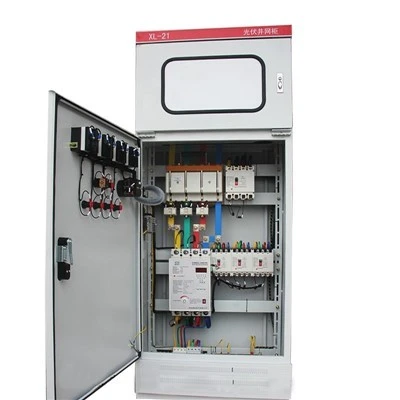
If you're in the market for a new MCB, be sure to check out our selection of Pv Grid- Connected Cabinet, Alternate Power Switch, and Low Voltage Distribution Cabinet. We offer a wide range of MCBs that are made with high-quality materials and are designed to meet the needs of any application.
And if you have any questions or need help choosing the right MCB for your project, don't hesitate to contact us. We're here to help you make the right decision and ensure that your electrical system is safe and reliable.
References
- Electrical Engineering Handbook, Third Edition, edited by Richard C. Dorf
- Electrical Safety: A Practical Guide, by David Bowler
- Understanding Circuit Breakers, by the Electrical Safety Foundation International


