

Installing a 125 amp DC breaker in a DC low-power system is a task that requires careful planning, a good understanding of electrical systems, and adherence to safety protocols. As a supplier of 125 amp DC breakers, I'm here to guide you through the process, ensuring that you can complete the installation safely and effectively.
Understanding the Basics of a 125 Amp DC Breaker
Before we dive into the installation process, it's important to understand what a 125 amp DC breaker is and why it's used. A DC breaker is a safety device designed to protect an electrical circuit from damage caused by overcurrent, such as short circuits or overloads. The "125 amp" rating indicates the maximum amount of current that the breaker can safely carry without tripping. In a DC low-power system, this type of breaker can be used to protect sensitive equipment and wiring from excessive current flow.
Safety First
Safety should always be your top priority when working with electrical systems. Before you begin the installation process, make sure to follow these safety guidelines:
- Turn off the power: Before you start working on the electrical system, turn off the power at the main source. This will prevent the risk of electric shock or injury.
- Wear appropriate safety gear: Always wear safety glasses, gloves, and other appropriate protective gear to protect yourself from potential hazards.
- Use the right tools: Make sure you have the right tools for the job, including a screwdriver, pliers, and a voltage tester. Using the wrong tools can damage the equipment or cause injury.
Step-by-Step Installation Process
Step 1: Gather the Necessary Materials
Before you start the installation process, gather all the necessary materials and tools. You will need:
- A 125 amp DC breaker
- Screwdriver
- Pliers
- Voltage tester
- Wire strippers
- Electrical tape
Step 2: Identify the Location
The first step in installing a 125 amp DC breaker is to identify the location where you want to install it. The breaker should be installed in a location that is easily accessible and away from any sources of heat or moisture. It should also be installed in a location that is protected from physical damage.
Step 3: Mount the Breaker
Once you have identified the location, mount the breaker to the panel using the appropriate screws. Make sure the breaker is securely mounted and level.
Step 4: Connect the Wires
After mounting the breaker, it's time to connect the wires. First, use the wire strippers to strip the insulation from the ends of the wires. Then, connect the positive wire to the positive terminal of the breaker and the negative wire to the negative terminal of the breaker. Make sure the connections are tight and secure.
Step 5: Test the Circuit
Before you turn the power back on, use a voltage tester to test the circuit. This will ensure that the breaker is installed correctly and that there are no short circuits or other electrical problems.
Step 6: Turn on the Power
Once you have tested the circuit and confirmed that everything is working properly, turn on the power at the main source. Check the breaker to make sure it is functioning correctly.
Troubleshooting
If you encounter any problems during the installation process, here are some common issues and solutions:
- Breaker trips immediately: If the breaker trips immediately after you turn on the power, there may be a short circuit in the system. Check the wiring connections to make sure they are secure and that there are no loose wires.
- Breaker does not trip: If the breaker does not trip when there is an overcurrent in the system, the breaker may be defective. Replace the breaker with a new one.
- Breaker gets hot: If the breaker gets hot during normal operation, there may be an overload in the system. Check the load on the circuit to make sure it does not exceed the rated capacity of the breaker.
Additional Considerations
In addition to the installation process, there are some additional considerations to keep in mind when working with a 125 amp DC breaker in a DC low-power system.
Compatibility
Make sure that the 125 amp DC breaker is compatible with your DC low-power system. Check the voltage and current ratings of the breaker to ensure that they match the requirements of your system. Using an incompatible breaker can lead to safety hazards and damage to your equipment.

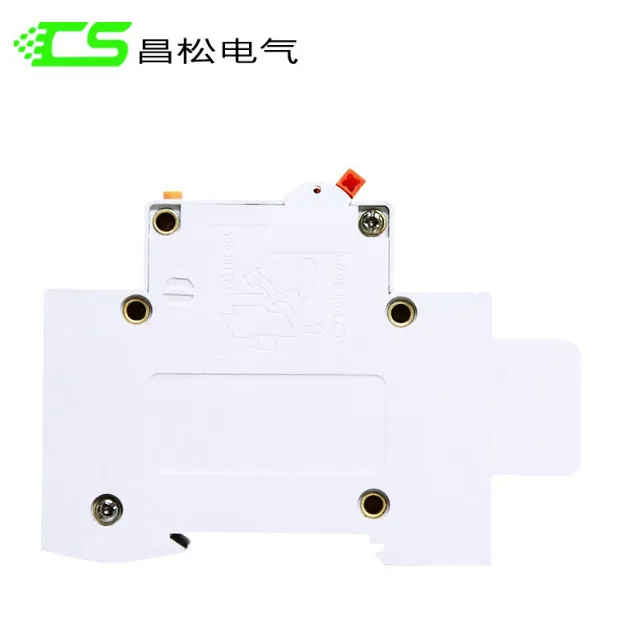
Maintenance
Regular maintenance is essential to ensure the proper functioning of the 125 amp DC breaker. Inspect the breaker periodically for signs of wear and tear, such as loose connections, burnt marks, or corrosion. Clean the breaker and its terminals to remove any dirt or debris that may affect its performance.
Upgrades and Replacements
As your DC low-power system evolves, you may need to upgrade or replace the 125 amp DC breaker. Stay informed about the latest technologies and advancements in DC breakers to ensure that your system is protected by the most reliable and efficient equipment.
Related Products
If you are interested in exploring other types of circuit breakers, I recommend checking out the following products:
- Minibreak: A compact and reliable circuit breaker suitable for a variety of applications.
- Rcbo Circuit Breaker: A circuit breaker that combines the functions of a residual current device (RCD) and a miniature circuit breaker (MCB), providing enhanced protection against electrical faults.
- MicroBlow Barrier: A high-performance circuit breaker with advanced features for optimal protection in demanding environments.
Contact for Procurement
If you are in the market for a 125 amp DC breaker or have any questions about the installation process, I encourage you to reach out to us. Our team of experts is ready to assist you with your procurement needs and provide you with the best solutions for your DC low-power system. Whether you are a small business or a large industrial operation, we can offer you high-quality products at competitive prices.
References
- Electrical Installation Handbook, Schneider Electric
- National Electrical Code (NEC)
- DC Circuit Breaker Manufacturer's Manuals


