

Hey there! As a supplier of DC combiner boxes for PV systems, I often get asked whether these boxes need a cooling system. It's a question that's crucial for anyone involved in solar power, from installers to end - users. So, let's dig into this topic and see what we can find out.
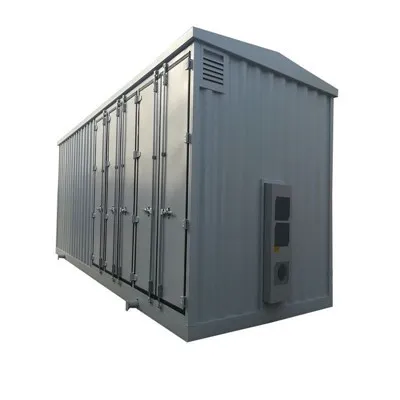

First off, let's understand what a DC combiner box for PV does. In a solar power system, multiple solar panels are connected in series and parallel to generate electricity. The DC combiner box collects the DC power from these panels and combines it into a single output. This simplifies the wiring and makes it easier to manage the power flow. It also usually includes fuses, circuit breakers, and monitoring devices to protect the system and ensure its proper operation.
Now, the big question: does it need a cooling system? Well, it depends on several factors. One of the main factors is the power rating of the combiner box. Higher - power combiner boxes generate more heat. When a large number of solar panels are feeding into the box, the electrical currents can be quite high. And as we know from basic physics, when current flows through a conductor, there's resistance, and this resistance generates heat according to the formula (P = I^{2}R) (where (P) is power, (I) is current, and (R) is resistance).
If the combiner box gets too hot, it can cause a few problems. For starters, the components inside the box, like 125 Amp Dc Breaker, may not function properly. High temperatures can reduce the lifespan of these components, leading to more frequent replacements and higher maintenance costs. Also, excessive heat can affect the efficiency of the electrical connections. The resistance of the conductors can increase with temperature, which means that some of the power generated by the solar panels is wasted as heat instead of being transmitted to the inverter.
Another factor to consider is the environment in which the combiner box is installed. If it's in a hot climate, like in the desert or a tropical region, the ambient temperature is already high. This means that the combiner box has to deal with not only the heat generated internally but also the external heat. In such cases, a cooling system can be a real lifesaver.
On the other hand, if the combiner box has a relatively low power rating and is installed in a cool environment, a cooling system may not be necessary. For small - scale PV systems with just a few panels, the heat generated is usually within an acceptable range, and the natural ventilation around the box may be sufficient to dissipate the heat.
There are different types of cooling systems that can be used for DC combiner boxes. One common type is natural convection cooling. This involves designing the box in such a way that there are vents at the top and bottom. Hot air rises and escapes through the top vents, while cool air is drawn in through the bottom vents. This creates a natural airflow that helps to carry away the heat.
For more demanding applications, forced - air cooling can be used. This typically involves installing fans inside the box. The fans blow air over the components, increasing the rate of heat transfer. However, forced - air cooling systems require a power source, and the fans themselves can be a source of maintenance issues.
Liquid cooling is another option, although it's less common for DC combiner boxes. It involves circulating a coolant, like water or a special coolant fluid, through pipes inside the box. The coolant absorbs the heat from the components and then transfers it to a radiator where it's dissipated. Liquid cooling can be very effective, but it's also more complex and expensive to install and maintain.
Let's talk about some real - world examples. I've seen installations in the southwestern United States, where the summers are extremely hot. In these areas, even medium - sized DC combiner boxes without proper cooling started to experience problems. The circuit breakers would trip more frequently, and the monitoring devices would give inaccurate readings. After installing a forced - air cooling system, the performance of the combiner boxes improved significantly. The components lasted longer, and the overall efficiency of the PV system increased.
On the flip side, I've also worked on small residential PV systems in cooler regions. In these cases, the combiner boxes were designed with simple natural convection vents, and they worked just fine. There were no issues with overheating, and the system ran smoothly for years without any cooling - related problems.
Now, if you're in the process of planning a PV system and you're not sure whether your DC combiner box needs a cooling system, here's what you can do. First, calculate the total power that will be flowing through the combiner box. This will give you an idea of the heat that will be generated. Then, consider the ambient temperature of the installation site. You can look up historical weather data for the area to get an average temperature range.
If you're still unsure, it's always a good idea to consult with an expert. As a supplier, we have a team of experienced engineers who can help you design the right combiner box for your specific needs. Whether you need a simple box with natural ventilation or a more complex one with a cooling system, we can provide you with the best solution.
We also offer a range of other products that can complement your PV system, such as Alternate Power Switch and Pre-installed Substation. These products are designed to work seamlessly with our DC combiner boxes, ensuring the reliability and efficiency of your entire solar power setup.
If you're interested in learning more about our DC combiner boxes or have any questions regarding cooling systems, feel free to reach out. We're always happy to have a chat and help you make the right decisions for your PV project. Whether you're a large - scale solar farm developer or a homeowner looking to go solar, we've got the products and expertise to meet your needs. So, don't hesitate to contact us for a detailed discussion and start the procurement process. Let's work together to build a more sustainable future with solar power!
References
- "Solar Photovoltaic Systems Design and Installation Guide", Industry Publication
- "Thermal Management in Electrical Systems", Academic Research Paper


