

Do solar breakers have any impact on the power factor of the solar power system? Well, let's dive right in and explore this topic. As a solar breakers supplier, I've gotten a lot of questions about how these components work and what kind of effects they have on the overall solar power setup.
First off, let's understand what a power factor is. In simple terms, the power factor is a measure of how effectively electrical power is being used in a system. A power factor of 1 means that all the power being supplied is being used efficiently, while a lower power factor indicates that some of the power is being wasted. In a solar power system, having a high power factor is crucial because it means you're getting the most out of the energy your solar panels are generating.
Now, onto solar breakers. Solar breakers are essential safety devices in a solar power system. They're designed to protect the system from over - current situations, such as short circuits or overloads. When there's too much current flowing through the system, the breaker trips and cuts off the electrical connection, preventing damage to the other components in the system.
So, do these breakers have an impact on the power factor? The short answer is, generally, solar breakers themselves don't have a significant direct impact on the power factor. They're mainly mechanical or electronic devices that open and close the circuit based on the current flow. They don't consume or generate power in a way that would directly alter the power factor.
However, there are some indirect ways in which solar breakers can influence the power factor. For example, if a breaker is faulty or not properly rated for the system, it can cause issues. A breaker that's too small for the system may trip frequently, causing disruptions in the power flow. These disruptions can lead to a less stable power supply, which in turn can affect the power factor. On the other hand, a breaker that's too large may not trip when it should, allowing excessive current to flow and potentially damaging other components in the system, which can also have a negative impact on the power factor.
Another aspect to consider is the interaction between the breaker and other components in the system. Solar power systems often include inverters, which convert the DC power generated by the solar panels into AC power for use in homes or businesses. Inverters play a major role in determining the power factor of the system. If a breaker causes problems with the inverter, such as by introducing electrical noise or voltage fluctuations, it can affect the inverter's ability to operate at an optimal power factor.
Let's talk about the different types of solar breakers. There are DC breakers and AC breakers. DC breakers are used in the part of the system where the DC power from the solar panels is flowing. These breakers need to be able to handle the unique characteristics of DC power, such as the absence of zero - crossing points. AC breakers, on the other hand, are used in the AC side of the system after the power has been converted by the inverter.

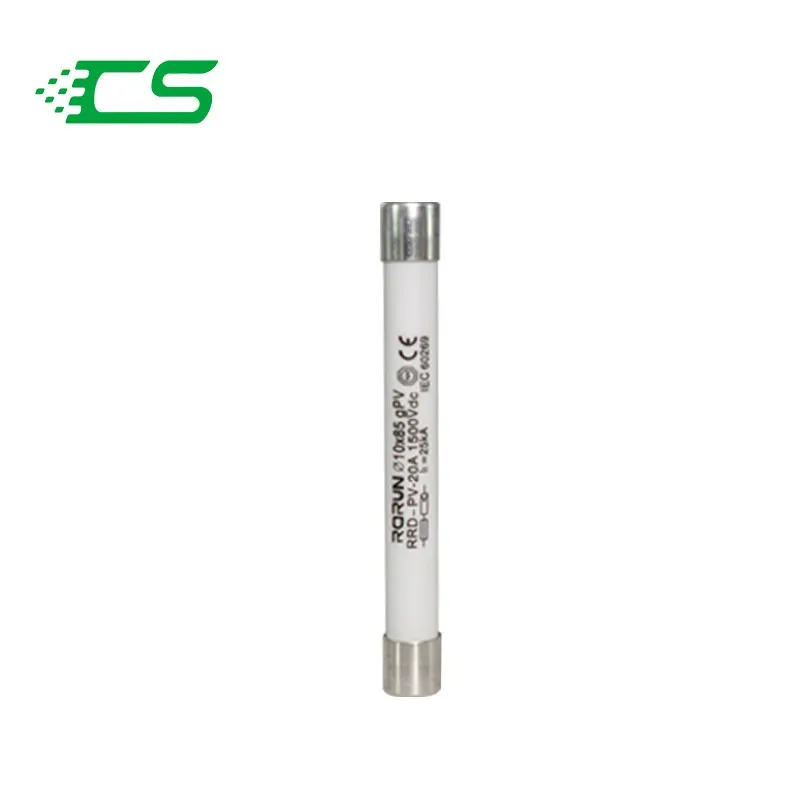
When choosing solar breakers for your system, it's important to select the right type and size. You can check out Circuit Breaker Mcb for a wide range of options. These breakers are designed to meet the specific requirements of solar power systems and can help ensure the safe and efficient operation of your setup.
In addition to breakers, other protective devices also play a role in the overall performance of the solar power system. Solar DC Circuit Protectors are used to protect the DC circuits in the system from over - current and short - circuit conditions. They work in conjunction with the breakers to provide comprehensive protection.
Surge protectors are another important component. A Surge Protector 220v can protect the system from voltage spikes caused by lightning or other electrical disturbances. These spikes can not only damage the components in the system but also affect the power factor by introducing instability in the power supply.
To maintain a high power factor in a solar power system, regular maintenance of all the components, including the breakers, is essential. Check the breakers for any signs of wear and tear, such as loose connections or overheating. Make sure they're properly calibrated and rated for the system. Also, keep an eye on the performance of the inverter and other components, as any issues with them can have a knock - on effect on the power factor.
In conclusion, while solar breakers don't have a direct and significant impact on the power factor of a solar power system, they can indirectly influence it through their interaction with other components and if they're not functioning properly. As a solar breakers supplier, I'm here to help you choose the right breakers and other protective devices for your system to ensure it operates at its best. If you're in the market for high - quality solar breakers or other related products, feel free to reach out to me for more information and to start a procurement discussion.
References:
- Various industry reports on solar power system components
- Technical manuals of solar breakers and related devices


