

Can solar breakers be used in hybrid solar - wind power systems?
In the era of renewable energy, hybrid solar - wind power systems have emerged as a promising solution to meet the growing energy demands while reducing reliance on fossil fuels. These systems combine the advantages of solar and wind energy, providing a more stable and continuous power supply. As a supplier of solar breakers, I often receive inquiries about whether our solar breakers can be used in hybrid solar - wind power systems. In this blog post, I will explore this question in detail and provide some insights based on my experience in the industry.
Understanding Hybrid Solar - Wind Power Systems
Hybrid solar - wind power systems integrate solar photovoltaic (PV) panels and wind turbines to generate electricity. The solar PV panels convert sunlight into direct current (DC) electricity, while the wind turbines generate alternating current (AC) electricity. The electricity generated by these two sources is then combined and managed through a power conversion and control system to ensure a stable and efficient power output.
One of the key challenges in hybrid solar - wind power systems is to manage the fluctuations in power generation caused by the intermittent nature of solar and wind energy. Solar power generation depends on sunlight availability, which varies throughout the day and is affected by weather conditions such as clouds and rain. Wind power generation, on the other hand, depends on wind speed and direction, which can also be highly variable. To address these challenges, hybrid systems often incorporate energy storage devices such as batteries to store excess energy during periods of high generation and release it during periods of low generation.
Role of Solar Breakers in Power Systems
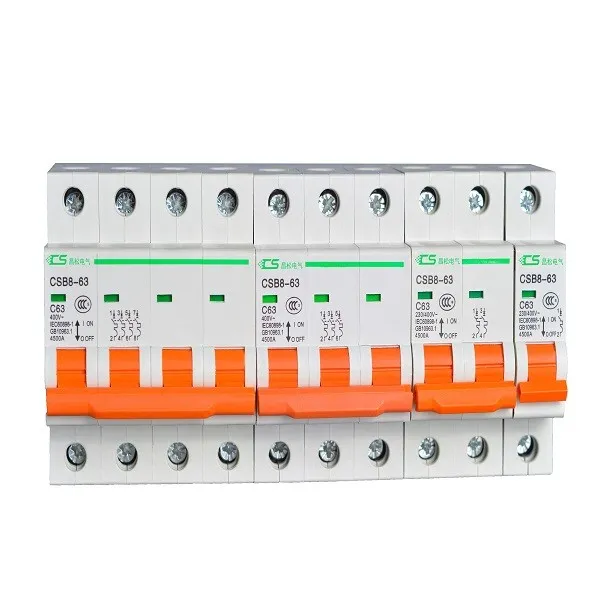
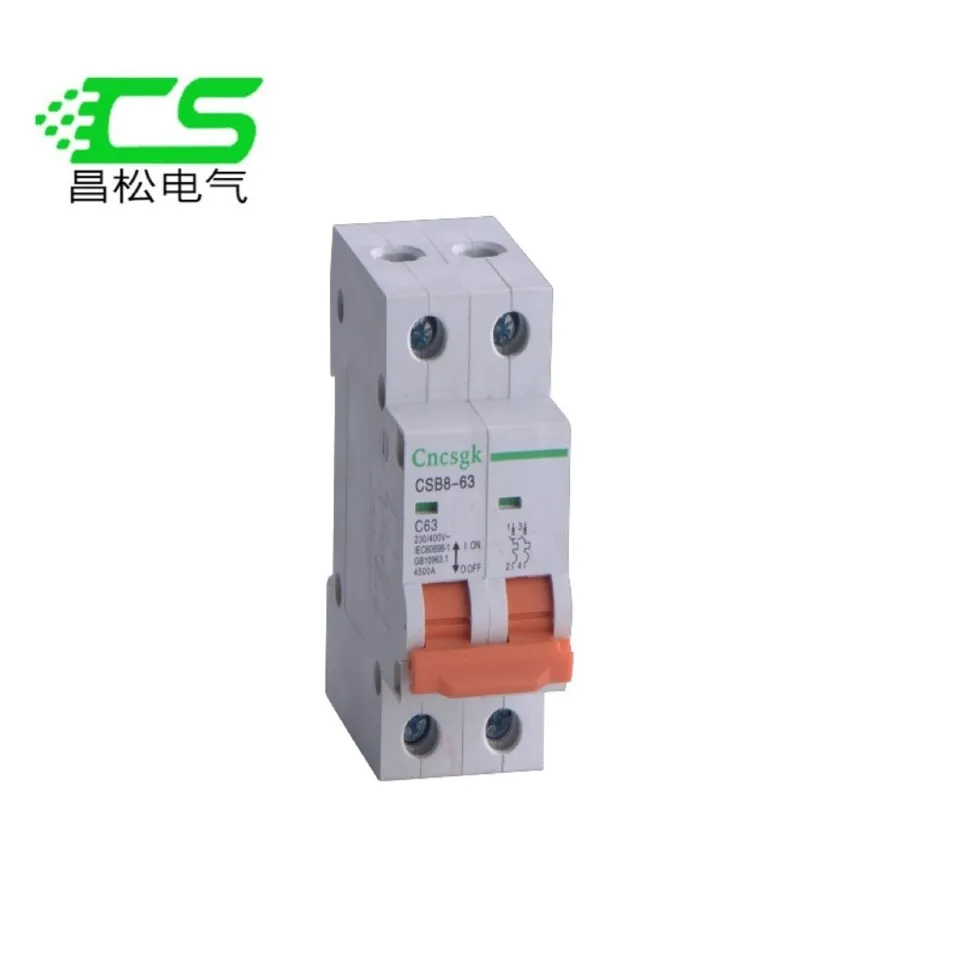
Solar breakers play a crucial role in solar power systems by protecting the electrical components from overcurrent, short - circuit, and other electrical faults. They are designed to interrupt the flow of electricity when a fault occurs, preventing damage to the PV panels, inverters, and other equipment. Solar breakers are typically installed in the DC side of the solar power system, where the high - voltage DC electricity generated by the PV panels is present.
The main functions of solar breakers include:
- Overcurrent protection: Solar breakers can detect and interrupt the flow of current when it exceeds a predefined safe level. This helps to prevent overheating and damage to the electrical components.
- Short - circuit protection: In the event of a short - circuit, which is a low - resistance connection between two conductors, solar breakers can quickly disconnect the circuit to prevent excessive current flow and potential fire hazards.
- Isolation: Solar breakers can be used to isolate different parts of the solar power system for maintenance, repair, or safety reasons.
Can Solar Breakers be Used in Hybrid Solar - Wind Power Systems?
The answer is yes, solar breakers can be used in hybrid solar - wind power systems. However, there are several factors to consider when selecting and installing solar breakers in such systems.
Compatibility with Electrical Parameters
The first factor to consider is the compatibility of the solar breakers with the electrical parameters of the hybrid system. Hybrid solar - wind power systems may have different voltage, current, and frequency requirements compared to pure solar power systems. For example, the DC voltage generated by the solar PV panels may be different from the AC voltage generated by the wind turbines. Solar breakers need to be selected based on the maximum voltage and current ratings of the system to ensure proper protection.
In addition, the hybrid system may have different fault current characteristics. The fault current in a hybrid system can be affected by the interaction between the solar and wind power sources, as well as the energy storage devices. Solar breakers need to be able to handle these fault currents effectively to provide reliable protection.
Protection Requirements
Hybrid solar - wind power systems have unique protection requirements compared to pure solar or wind power systems. In addition to overcurrent and short - circuit protection, they may also require protection against other types of faults such as reverse current, ground faults, and overvoltage.
Reverse current can occur when the energy storage devices discharge back into the solar PV panels or wind turbines. Solar breakers can be equipped with reverse - current protection features to prevent this from happening. Ground faults can pose a serious safety hazard, and solar breakers with ground - fault protection can help to detect and isolate the fault quickly. Overvoltage can damage the electrical components in the system, and solar breakers can be used to protect against overvoltage conditions.
System Integration
Proper system integration is essential when using solar breakers in hybrid solar - wind power systems. The solar breakers need to be integrated with the power conversion and control system of the hybrid system to ensure coordinated operation. This may involve using communication interfaces to exchange information between the breakers and the control system, such as fault status, current and voltage measurements, etc.
For example, when a fault occurs in the solar part of the hybrid system, the solar breaker should be able to communicate with the control system to isolate the faulty section and ensure the continued operation of the wind part of the system. Similarly, the control system should be able to monitor the status of the solar breakers and take appropriate actions in case of a fault.
Advantages of Using Solar Breakers in Hybrid Systems
Using solar breakers in hybrid solar - wind power systems offers several advantages:
- Cost - effectiveness: Solar breakers are specifically designed for solar power systems and are often more cost - effective than general - purpose circuit breakers. By using solar breakers in hybrid systems, the overall cost of the system can be reduced.
- Reliability: Solar breakers are designed to withstand the harsh environmental conditions and high - voltage DC applications typically found in solar power systems. They offer high reliability and long - term performance, which is crucial for the stable operation of hybrid systems.
- Safety: Solar breakers provide essential safety features such as overcurrent and short - circuit protection, which help to prevent electrical accidents and damage to the equipment in hybrid systems.
Products Suitable for Hybrid Systems
As a solar breaker supplier, we offer a range of products that are suitable for hybrid solar - wind power systems. Our Dual Circuit Switch is designed to handle multiple power sources and can be used to switch between solar and wind power inputs. It provides reliable protection and isolation for the hybrid system.
Our Dc Power Distribution Box Cabinet is another product that can be used in hybrid systems. It is equipped with solar breakers and other electrical components to distribute and manage the DC power generated by the solar PV panels and wind turbines.
In addition, our MiniMelt Mechanism technology provides fast and reliable overcurrent protection. It ensures that the circuit is interrupted quickly in case of a fault, protecting the sensitive electrical components in the hybrid system.
Contact for Procurement
If you are interested in using our solar breakers in your hybrid solar - wind power systems, we are more than happy to discuss your specific requirements. Our team of experts can provide you with detailed technical information, product recommendations, and support throughout the procurement process. Whether you are a small - scale installer or a large - scale project developer, we can offer customized solutions to meet your needs. Please feel free to contact us to start the procurement discussion.
References
- International Electrotechnical Commission (IEC). IEC 61730 - 1:2016, Photovoltaic (PV) module safety qualification - Part 1: Requirements for construction.
- National Renewable Energy Laboratory (NREL). Hybrid Renewable Energy Systems: A Review of Technologies, Configurations, and Control Strategies.
- IEEE Standards Association. IEEE 1547 - 2018, Standard for Interconnection and Interoperability of Distributed Energy Resources with Associated Electric Power Systems Interfaces.


