

As an AC MCB (Miniature Circuit Breaker) supplier, one question that frequently arises from our customers is whether an AC MCB can be used in high - temperature environments. This is a crucial concern, as the performance and lifespan of electrical components can be significantly affected by temperature. In this blog, we will delve into the technical aspects of AC MCBs and their suitability for high - temperature settings.
Understanding AC MCBs
Before we discuss the impact of high temperatures, let's first understand what an AC MCB is. An AC MCB is an automatically operated electrical switch designed to protect an electrical circuit from damage caused by excess current, typically resulting from an overload or a short - circuit. It functions by interrupting the flow of electricity when it detects abnormal current levels.
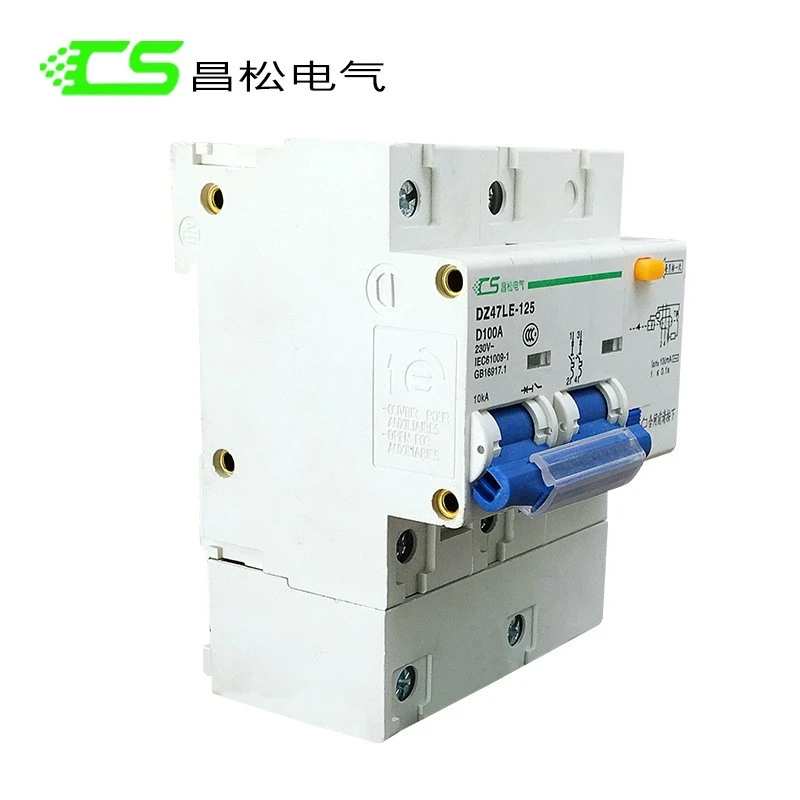
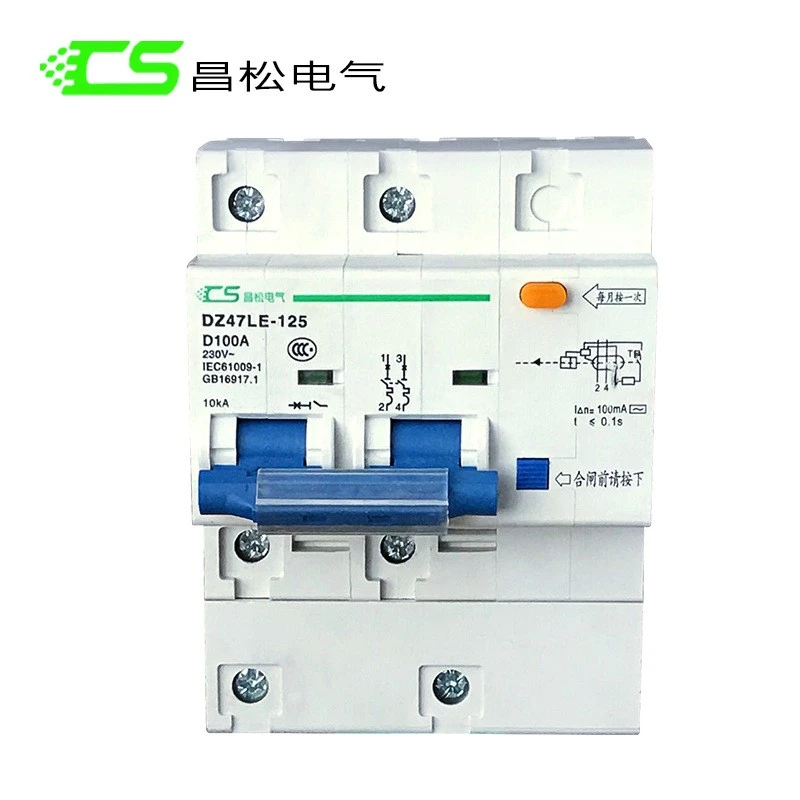
AC MCBs are widely used in residential, commercial, and industrial applications due to their reliability, compact size, and cost - effectiveness. They are an essential part of electrical distribution systems, safeguarding both equipment and personnel from electrical hazards.
Effects of High Temperatures on AC MCBs
Thermal Performance
The operation of an AC MCB is based on thermal and magnetic principles. The thermal element of an MCB is designed to respond to overload currents over a relatively long period. High temperatures in the environment can affect the thermal characteristics of the MCB. As the ambient temperature rises, the internal temperature of the MCB also increases. This can cause the thermal element to trip at a lower current than its rated value.
For example, if an MCB is rated for a certain current at a standard ambient temperature (usually around 25°C), in a high - temperature environment (say, 50°C or higher), the MCB may trip when the current is slightly below its rated value. This is because the additional heat from the environment adds to the heat generated by the current flowing through the MCB, pushing the thermal element beyond its threshold.
Contact Resistance
High temperatures can also increase the contact resistance within the MCB. Contacts are crucial for the proper functioning of the circuit breaker, as they allow the flow of current when the MCB is closed. When the temperature rises, the metal contacts can expand and oxidize more rapidly. Oxidation of the contacts increases their resistance, which in turn generates more heat. This can lead to a vicious cycle where the increased heat further degrades the contacts, potentially causing premature failure of the MCB.
Insulation Properties
The insulation materials used in an AC MCB are designed to withstand a certain temperature range. In high - temperature environments, the insulation properties of these materials can deteriorate. The insulation may become brittle, crack, or lose its dielectric strength. This can result in electrical leakage, which not only reduces the efficiency of the MCB but also poses a safety hazard.
Suitability of AC MCBs in High - Temperature Environments
Manufacturer Ratings
Most reputable AC MCB manufacturers provide temperature derating curves for their products. These curves show how the rated current of the MCB decreases as the ambient temperature increases. For instance, a well - designed MCB may have a derating factor of 0.9 for every 10°C increase in temperature above the standard ambient temperature.
Before using an AC MCB in a high - temperature environment, it is essential to refer to the manufacturer's specifications and derating curves. This will help determine whether the MCB can safely handle the expected current at the given ambient temperature.
Application - Specific Considerations
In some applications, high - temperature environments are unavoidable. For example, in industrial settings such as foundries, steel mills, or near furnaces, the ambient temperature can be extremely high. In these cases, special high - temperature - rated AC MCBs may be required. These MCBs are designed with materials and components that can withstand elevated temperatures without significant degradation of their performance.
It is also important to consider the ventilation and cooling options in the installation area. Adequate ventilation can help dissipate heat and reduce the internal temperature of the MCB. In some cases, additional cooling systems such as fans or heat sinks may be necessary to maintain the MCB within its safe operating temperature range.
Our Solutions as an AC MCB Supplier
We understand the challenges posed by high - temperature environments, and we offer a range of AC MCBs that are suitable for such conditions. Our high - temperature - rated AC MCBs are designed with advanced materials and manufacturing techniques to ensure reliable performance in harsh environments.
Advanced Thermal Design
Our MCBs feature improved thermal management systems. The thermal elements are calibrated to compensate for the effects of high ambient temperatures. This allows the MCB to maintain its rated current - carrying capacity over a wider temperature range.
High - Quality Contacts
We use high - quality metals for the contacts in our MCBs, which are more resistant to oxidation and thermal expansion. This helps to keep the contact resistance low, even in high - temperature environments, ensuring stable and reliable operation.
Enhanced Insulation
Our MCBs are equipped with insulation materials that have excellent high - temperature resistance. These materials are carefully selected to maintain their dielectric strength and mechanical properties at elevated temperatures, providing long - term safety and reliability.
Related Products
In addition to our high - temperature - rated AC MCBs, we also offer a range of related products that can enhance the safety and performance of electrical systems in high - temperature environments. For example, you may be interested in our Mccb 300 Amp Circuit Breaker, which is suitable for high - current applications. Our Solar Surge Protector can protect your electrical systems from voltage surges, which can be more common in high - temperature environments due to increased electrical stress. And our Combined Residual Current And Overcurrent Protection Device provides an extra layer of protection against electrical faults.
Conclusion
While AC MCBs can be used in high - temperature environments, it is crucial to understand the potential challenges and take appropriate measures. High temperatures can affect the thermal performance, contact resistance, and insulation properties of an MCB. However, with proper selection, installation, and maintenance, AC MCBs can operate safely and reliably in such conditions.
As an experienced AC MCB supplier, we are committed to providing high - quality products and technical support to our customers. If you are facing the challenge of using AC MCBs in high - temperature environments, we encourage you to contact us for further discussion and procurement. Our team of experts can help you select the most suitable products for your specific needs.
References
- "Electrical Engineering Handbook" by Richard C. Dorf
- Manufacturer's technical manuals for AC MCBs


