

As a supplier of PV AC combiner boxes, I often encounter questions from customers regarding the installation location of these crucial components in photovoltaic (PV) systems. One of the most frequently asked questions is whether a PV AC combiner box can be installed indoors. In this blog post, I will delve into this topic, exploring the feasibility, advantages, and considerations of indoor installation for PV AC combiner boxes.
Understanding PV AC Combiner Boxes
Before discussing the installation location, it's essential to understand what a PV AC combiner box is and its role in a PV system. A PV AC combiner box is a device that combines the alternating current (AC) output from multiple PV inverters or micro - inverters. It provides a centralized point for collecting and protecting the AC power generated by the PV panels, allowing for easier monitoring, maintenance, and connection to the electrical grid or a local load.
The combiner box typically contains components such as circuit breakers, surge protectors, and monitoring devices. These components help to ensure the safety and reliability of the PV system by protecting against over - current, short - circuits, and voltage surges.
Feasibility of Indoor Installation
The short answer is yes, a PV AC combiner box can be installed indoors. In fact, indoor installation offers several advantages that make it an attractive option for many PV system owners and installers.
Environmental Protection
Indoor installation protects the combiner box from harsh outdoor environmental conditions. Exposure to extreme temperatures, humidity, rain, snow, and UV radiation can degrade the components of the combiner box over time, reducing its lifespan and reliability. By installing the combiner box indoors, it is shielded from these elements, ensuring a longer service life and fewer maintenance requirements.
Safety
Indoor installation can enhance the safety of the PV system. The combiner box contains electrical components that can pose a risk of electric shock or fire if exposed to the elements or if tampered with. By placing it indoors, it is less accessible to unauthorized personnel and is protected from physical damage, reducing the risk of accidents.
Ease of Access and Maintenance
Having the combiner box indoors makes it easier for technicians to access and maintain. They can perform inspections, repairs, and upgrades without having to deal with adverse weather conditions. This can save time and money in the long run, as maintenance tasks can be carried out more efficiently.
Monitoring and Control
Indoor installation allows for better integration of monitoring and control systems. Many PV system owners and operators prefer to have easy access to the monitoring equipment associated with the combiner box. By installing it indoors, they can connect the monitoring devices to a local network or a central control system more conveniently, enabling real - time monitoring of the PV system's performance.
Considerations for Indoor Installation
While indoor installation has its advantages, there are also some considerations that need to be taken into account.
Ventilation
The components inside the PV AC combiner box, such as circuit breakers and surge protectors, generate heat during operation. Adequate ventilation is required to dissipate this heat and prevent overheating. When installing the combiner box indoors, it is important to ensure that there is sufficient airflow around the box. This may involve installing ventilation fans or providing proper air gaps in the installation area.
Space Requirements
PV AC combiner boxes come in different sizes, depending on the number of inputs and the capacity of the system. Before installing the combiner box indoors, you need to ensure that there is enough space to accommodate it. The installation area should also allow for easy access to the box for maintenance and inspection purposes.
Electrical Code Compliance
Indoor installation of PV AC combiner boxes must comply with local electrical codes and regulations. These codes specify requirements for wiring, grounding, over - current protection, and other safety aspects. It is crucial to consult with a qualified electrician or PV system installer to ensure that the installation meets all the necessary codes and standards.
Noise
Some components in the combiner box, such as fans or relays, may produce noise during operation. If the combiner box is installed in a noise - sensitive area, such as a residential building or an office, this may need to be considered. You may need to choose a combiner box with low - noise components or take measures to reduce the noise, such as installing sound - insulating materials.
Components in PV AC Combiner Boxes
To better understand the importance of proper installation, let's take a closer look at some of the key components in PV AC combiner boxes.
Circuit Breakers
Circuit breakers are essential for protecting the PV system from over - current. They automatically interrupt the electrical circuit when the current exceeds a certain level, preventing damage to the components and reducing the risk of fire. For example, a 30 Amp Ac Breaker can be used in a PV AC combiner box to protect a specific branch circuit.
Surge Protectors
Surge protectors safeguard the PV system from voltage surges caused by lightning strikes, grid fluctuations, or other electrical disturbances. A Surge Protector 220v can be installed in the combiner box to divert excess voltage to the ground, protecting the sensitive electronic components in the PV system.
DC Breakers (if applicable)
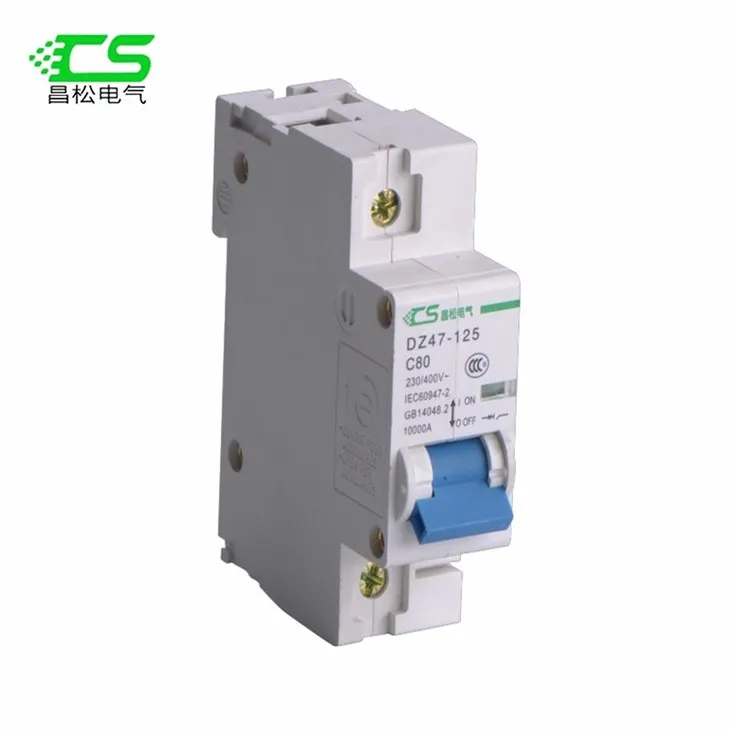
In some PV AC combiner boxes, there may also be DC breakers, especially in systems where the combiner box is used to combine both DC and AC outputs. A 125 Amp Dc Breaker can be used to protect the DC circuits in the PV system.

Conclusion
In conclusion, a PV AC combiner box can be installed indoors, and in many cases, it is a viable and advantageous option. Indoor installation offers environmental protection, enhanced safety, ease of access and maintenance, and better monitoring capabilities. However, it is important to consider factors such as ventilation, space requirements, electrical code compliance, and noise when planning an indoor installation.
If you are considering a PV system installation or are looking to upgrade your existing system, and you have questions about PV AC combiner boxes or their installation, please feel free to contact us. We are a professional supplier of PV AC combiner boxes and can provide you with high - quality products and expert advice. Whether you need a small - scale combiner box for a residential PV system or a large - scale one for a commercial project, we have the right solution for you. Reach out to us to start a conversation about your specific requirements and explore how our products can meet your needs.
References
- International Electrotechnical Commission (IEC). Photovoltaic power systems - Safety requirements.
- National Electrical Code (NEC), Article 690 - Solar Photovoltaic Systems.
- Handbook of Photovoltaic Science and Engineering by Antonio Luque and Steven Hegedus.


