

A solar greenhouse system is an innovative and sustainable solution that combines traditional greenhouse functions with solar energy collection. This integration not only promotes self - sufficiency in energy but also significantly reduces the overall environmental impact. In the context of this system, one might wonder if a combiner box can be put to use. As a combiner box supplier, I will explore this topic in depth, analyzing the feasibility, benefits, and potential challenges of using a combiner box in a solar greenhouse system.
The Basics of a Solar Greenhouse System
A solar greenhouse is designed to capture solar radiation for heating, lighting, and powering various equipment inside the greenhouse. It typically consists of photovoltaic (PV) panels installed on the roof or other suitable areas, a mounting structure, inverters, and a control system. The PV panels convert sunlight into direct current (DC) electricity, which is then further processed to meet the operational needs of the greenhouse.
The PV panels produce electricity in a relatively low - voltage and high - current DC form. In larger solar installations, multiple PV panels are often connected in series and parallel combinations to increase the overall power output. The energy generated needs to be managed optimally to ensure that it can be used effectively, whether it is used directly in the greenhouse or fed back into the grid.
What is a Combiner Box?
A combiner box is a crucial component in a photovoltaic system. It serves to combine the DC output from multiple PV strings into a single output, reducing the number of cables running from the PV panels to the inverter. Inside the combiner box, there are usually fuses or circuit breakers for each PV string. These protective devices safeguard the system from over - current situations, which can occur due to short - circuits, panel malfunctions, or other electrical issues.
The combiner box also provides a convenient point for monitoring the performance of individual PV strings. By measuring the current and voltage at the combiner box, it is possible to detect any under - performing strings and identify potential problems early.
Compatibility of Combiner Boxes in Solar Greenhouse Systems
When considering the use of combiner boxes in a solar greenhouse system, compatibility is a key factor. The electrical characteristics of the PV panels, such as the open - circuit voltage (Voc), short - circuit current (Isc), and maximum power point voltage (Vmp) and current (Imp), need to be carefully matched with the ratings of the combiner box.
Most combiner boxes are designed to handle a specific range of input voltages and currents. For example, a typical combiner box might have an input voltage rating of up to 1000V DC and a current rating that can vary depending on the number of input strings and the design of the box. In a solar greenhouse, the number of PV panels and their configuration will determine the total voltage and current output. As a combiner box supplier, we can offer a variety of combiner boxes with different ratings to meet the specific requirements of solar greenhouse systems of various sizes.
Benefits of Using a Combiner Box in a Solar Greenhouse System
Simplified Wiring
One of the main advantages of using a combiner box is the simplification of the wiring within the solar greenhouse system. Instead of having multiple cables directly connected from each PV string to the inverter, the combiner box allows for a single or fewer cables to be run to the inverter. This not only reduces the cost of wiring materials but also makes the installation process more straightforward and the overall system more organized.

Enhanced Safety
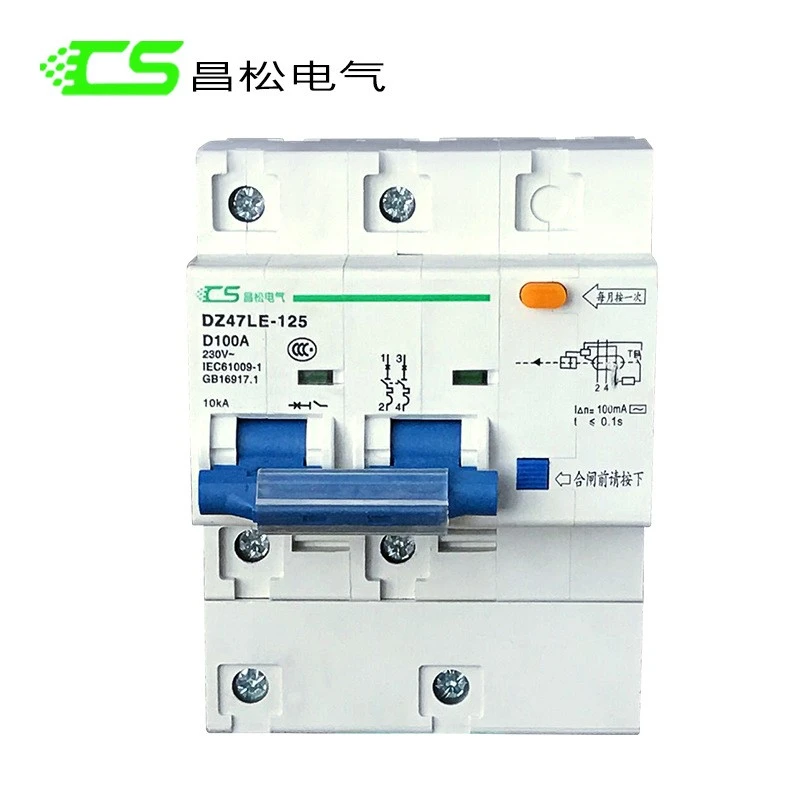
The fuses and Combined Residual Current And Overcurrent Protection Device in the combiner box play a critical role in protecting the PV panels and the entire system from electrical faults. Over - current conditions can damage the PV panels, inverters, and other components, leading to costly repairs and downtime. The combiner box can quickly isolate faulty strings, preventing the spread of electrical problems and ensuring the safety of the system and the people working in the greenhouse.
Improved Monitoring and Maintenance
With a combiner box, it becomes much easier to monitor the performance of individual PV strings. By measuring the current and voltage of each string at the combiner box, operators can identify any strings that are not performing as expected. This early detection of problems can lead to more efficient maintenance, as repairs can be carried out before the issue escalates and causes significant power loss.
Challenges and Considerations
Environmental Conditions
Solar greenhouses have their own unique environmental conditions. The temperature and humidity inside a greenhouse can be relatively high compared to normal outdoor conditions. These conditions can affect the performance and lifespan of the combiner box. High humidity can cause corrosion of electrical components, while high temperatures can lead to overheating of the fuses and other devices inside the box. As a combiner box supplier, we offer combiner boxes with appropriate environmental protection ratings, such as IP65, which can withstand dust and water ingress, ensuring reliable performance in the greenhouse environment.
System Expansion
When designing a solar greenhouse system, future expansion should be considered. If the greenhouse owner plans to add more PV panels in the future, the combiner box needs to have sufficient capacity to accommodate the additional strings. It is important to select a combiner box with a modular design or one that can be easily upgraded to meet the growing energy needs of the greenhouse.
Integration with Other Components
In a comprehensive solar greenhouse system, the combiner box needs to be integrated with other components such as inverters, Three Phase Step Down Transformer, and Integrated Equipment Bay. The output of the combiner box should be compatible with the input requirements of the inverter. For example, the voltage and current levels need to be within the acceptable range of the inverter.
The communication between different components is also crucial for the overall performance of the system. Some modern combiner boxes are equipped with monitoring and communication capabilities, which can be integrated with the control system of the greenhouse to provide real - time data on the energy production and system status.
Conclusion
In conclusion, a combiner box can indeed be used in a solar greenhouse system. It offers numerous benefits such as simplified wiring, enhanced safety, and improved monitoring and maintenance. However, careful consideration of factors such as compatibility, environmental conditions, system expansion, and integration with other components is necessary.
As a combiner box supplier, we are committed to providing high - quality combiner boxes that are suitable for solar greenhouse applications. Our products are designed to meet the specific needs of these systems, ensuring reliable and efficient operation. If you are interested in incorporating a combiner box into your solar greenhouse system, or if you have any questions about our products, please feel free to contact us for further discussion and procurement negotiation.
References
- "Photovoltaic Systems Design and Installation Handbook", by Bill Brooks
- "Solar Energy Engineering: Processes and Systems", by Soteris A. Kalogirou


