

When it comes to electrical systems, safety is of paramount importance. As a trusted DC MCCB (Direct Current Molded Case Circuit Breaker) supplier, I understand the critical role that these devices play in protecting electrical circuits from overcurrents and short circuits. In this blog post, I will delve into the safety precautions that should be taken when using a DC MCCB, ensuring that your electrical systems operate smoothly and safely.
Understanding DC MCCBs
Before we discuss the safety precautions, let's briefly understand what a DC MCCB is. A DC MCCB is a type of circuit breaker designed specifically for direct current applications. It is used to protect electrical circuits and equipment from damage caused by excessive current flow. DC MCCBs are commonly used in various industries, including Distributed Photovoltaic Substation, battery charging systems, and industrial machinery.
Safety Precautions When Using a DC MCCB
1. Proper Installation
The first and most crucial safety precaution is to ensure that the DC MCCB is installed correctly. This includes following the manufacturer's installation instructions carefully. The installation location should be dry, well-ventilated, and away from sources of heat and moisture. The MCCB should be mounted securely on a flat surface, and all electrical connections should be tight and free from corrosion.
It is also important to use the correct size and type of cables for the installation. The cables should be rated for the current and voltage of the circuit and should be properly sized to handle the load. Incorrect cable sizing can lead to overheating and potential fire hazards.
2. Regular Inspection and Maintenance
Regular inspection and maintenance are essential to ensure the safe and reliable operation of a DC MCCB. Inspections should be carried out at regular intervals, and any signs of damage or wear should be addressed immediately. This includes checking for loose connections, damaged insulation, and signs of overheating.
The MCCB should also be tested periodically to ensure that it is functioning correctly. This can be done using a circuit breaker tester or a multimeter. If the MCCB fails to trip when a fault occurs, it should be replaced immediately.
3. Overcurrent Protection
One of the primary functions of a DC MCCB is to provide overcurrent protection. It is important to select the correct rating of the MCCB for the application. The rating should be based on the maximum current that the circuit is expected to carry under normal operating conditions.
If the MCCB is rated too low, it may trip frequently, causing disruptions to the electrical system. On the other hand, if the MCCB is rated too high, it may not provide adequate protection in the event of a fault. Therefore, it is crucial to consult with a qualified electrician or engineer to determine the appropriate rating for the application.
4. Short Circuit Protection
In addition to overcurrent protection, a DC MCCB also provides short circuit protection. A short circuit occurs when there is a low-resistance path between two conductors, resulting in a large current flow. This can cause damage to the electrical equipment and pose a significant safety hazard.
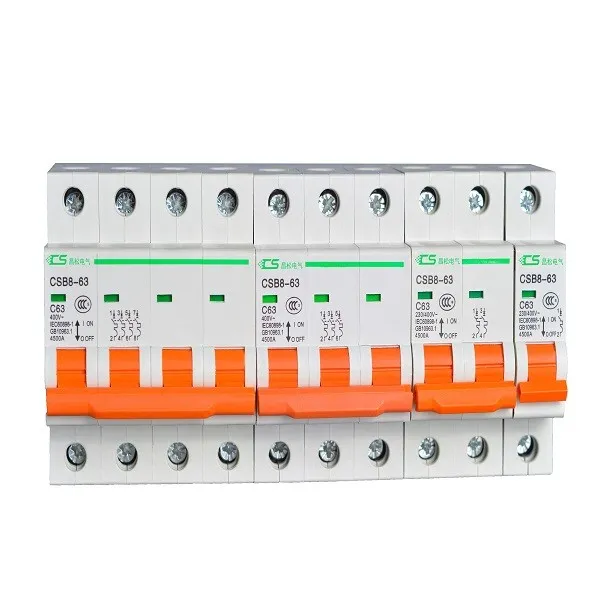

The MCCB should be able to interrupt the circuit quickly in the event of a short circuit. The interrupting capacity of the MCCB should be sufficient to handle the maximum short circuit current that the circuit is expected to experience. This information can usually be found in the manufacturer's specifications.
5. Arc Flash Protection
Arc flash is a dangerous electrical hazard that can occur when there is a sudden release of energy due to a short circuit or other electrical fault. It can cause severe burns, injuries, and even death. To protect against arc flash, it is important to use MCCBs with appropriate arc flash ratings.
The arc flash rating of the MCCB indicates the maximum energy that the device can withstand without causing an arc flash. It is important to select an MCCB with a high enough arc flash rating for the application. Additionally, appropriate personal protective equipment (PPE) should be worn when working on or near electrical circuits.
6. Compatibility with Other Equipment
When using a DC MCCB, it is important to ensure that it is compatible with other equipment in the electrical system. This includes other circuit breakers, fuses, and electrical loads. Incompatible equipment can cause problems such as false tripping, overheating, and damage to the electrical system.
Before installing a DC MCCB, it is recommended to consult with the equipment manufacturer or a qualified electrician to ensure that all components are compatible. This will help to ensure the safe and reliable operation of the electrical system.
7. Training and Education
Proper training and education are essential for anyone working with DC MCCBs. This includes electricians, maintenance personnel, and operators. Training should cover topics such as installation, operation, maintenance, and safety procedures.
By providing comprehensive training, you can ensure that your personnel have the knowledge and skills necessary to work safely with DC MCCBs. This will help to prevent accidents and ensure the smooth operation of your electrical systems.
The Role of Our DC MCCBs in Ensuring Safety
As a DC MCCB supplier, we are committed to providing high-quality products that meet the highest safety standards. Our MCCBs are designed and manufactured using the latest technology and materials to ensure reliable performance and long service life.
We offer a wide range of DC MCCBs with different ratings and features to meet the diverse needs of our customers. Our products are tested and certified to meet international standards, ensuring that they provide reliable overcurrent and short circuit protection.
In addition to our high-quality products, we also provide excellent customer support. Our team of experts is available to assist you with product selection, installation, and maintenance. We can also provide training and education to ensure that your personnel are well-equipped to work safely with our DC MCCBs.
Conclusion
Using a DC MCCB is an effective way to protect your electrical circuits and equipment from overcurrents and short circuits. However, it is important to take the necessary safety precautions to ensure the safe and reliable operation of these devices.
By following the safety precautions outlined in this blog post, you can minimize the risk of accidents and ensure the smooth operation of your electrical systems. If you have any questions or need further information about our DC MCCBs, please do not hesitate to contact us. We are here to help you find the right solution for your needs.
We invite you to reach out to us for more information on our DC MCCBs and to discuss your specific requirements. Our team of experts is ready to assist you in selecting the most suitable products for your application. Whether you are involved in Distributed Photovoltaic Substation, battery charging systems, or other DC applications, we have the expertise and products to meet your needs. Let's start a conversation today and ensure the safety and efficiency of your electrical systems.
References
- Electrical Safety Standards and Guidelines.
- Manufacturer's Installation and Maintenance Manuals for DC MCCBs.
- Industry Best Practices for Electrical System Safety.


