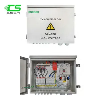
Humidity is an environmental factor that can significantly impact the performance and lifespan of various electrical components. When it comes to DC MCBs (Direct Current Miniature Circuit Breakers) for solar applications, understanding the effects of humidity is crucial. As a supplier of DC MCBs for solar systems, I've witnessed firsthand how humidity can pose challenges and opportunities for these essential devices.
1. Basic Function of DC MCBs in Solar Systems
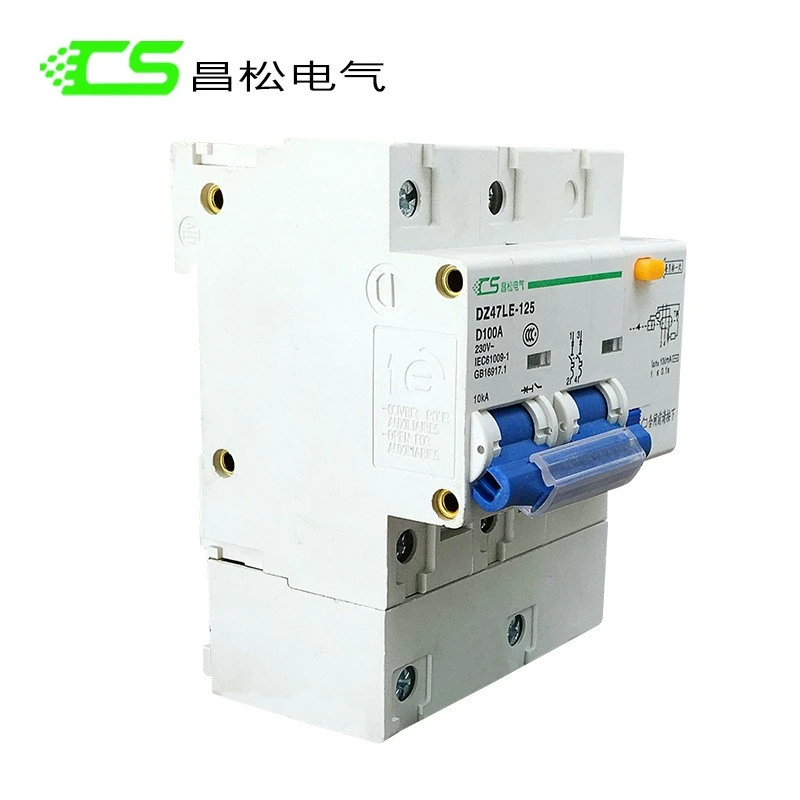
Before delving into the impact of humidity, it's important to understand the role of DC MCBs in solar systems. DC MCBs are designed to protect the electrical circuits in solar installations from over - current and short - circuit conditions. They act as a safety mechanism, automatically interrupting the electrical flow when an abnormal current is detected. This helps prevent damage to solar panels, inverters, and other components in the system.
2. Impact of High Humidity on DC MCBs
Corrosion
One of the most significant effects of high humidity on DC MCBs is corrosion. When the relative humidity in the environment exceeds a certain level, moisture in the air can condense on the surfaces of the MCB. This moisture, combined with oxygen and other contaminants in the air, can initiate a corrosion process on the metal parts of the MCB, such as the contacts and terminals.
Corroded contacts can lead to increased resistance in the electrical circuit. As resistance increases, more heat is generated at the contact points according to the Joule's law (P = I^{2}R) (where (P) is power, (I) is current, and (R) is resistance). Excessive heat can cause the contacts to overheat, potentially leading to arcing and even melting of the contacts. This not only reduces the performance of the MCB but also poses a serious safety hazard, as arcing can ignite nearby flammable materials.
Insulation Degradation
High humidity can also affect the insulation materials used in DC MCBs. Insulation is essential to prevent electrical leakage and ensure the proper functioning of the MCB. When exposed to high humidity, moisture can penetrate the insulation materials, reducing their dielectric strength.
A decrease in dielectric strength means that the insulation is more likely to break down under normal operating voltages. This can result in electrical leakage, which not only wastes energy but also increases the risk of electrical shock and fire. Moreover, insulation degradation can cause short - circuits within the MCB, leading to its failure and potentially damaging other components in the solar system.
Mold Growth
In environments with high humidity and suitable temperatures, mold can grow on the surfaces of DC MCBs. Mold not only looks unappealing but can also have a negative impact on the performance of the MCB. Mold growth can cover the electrical components, interfering with their normal operation. It can also cause mechanical damage to the MCB by growing into small crevices and joints, potentially affecting the movement of internal parts.
3. Impact of Low Humidity on DC MCBs
Static Electricity
Low humidity levels can lead to the build - up of static electricity. In a dry environment, the air has less moisture to conduct electrical charges, allowing static charges to accumulate on the surfaces of the MCB and other components in the solar system. Static electricity can cause electrostatic discharge (ESD) events, which can be harmful to the sensitive electronic components inside the MCB.
ESD can damage the semiconductor devices, integrated circuits, and other electronic parts in the MCB, leading to malfunctions or complete failure. Additionally, static charges can attract dust and other particles, which can further contaminate the MCB and affect its performance.
Brittle Insulation
Low humidity can also cause the insulation materials in DC MCBs to become brittle. Insulation materials often contain a certain amount of moisture to maintain their flexibility and mechanical properties. When the humidity is too low, the moisture in the insulation evaporates, causing the material to dry out and become brittle.
Brittle insulation is more prone to cracking and breaking, which can expose the electrical conductors and increase the risk of electrical leakage and short - circuits. This can significantly reduce the lifespan of the MCB and compromise the safety of the solar system.
4. Mitigating the Impact of Humidity
Enclosure Design
One effective way to protect DC MCBs from humidity is through proper enclosure design. Enclosures can provide a physical barrier between the MCB and the surrounding environment, reducing the exposure to moisture. Sealed enclosures can prevent water and humidity from entering, while ventilation systems can be designed to control the internal humidity levels.
For example, some enclosures are equipped with desiccant packs that absorb moisture from the air inside the enclosure. Others use ventilation fans to exchange the internal air with dry air from the outside, maintaining a stable humidity level.
Material Selection
Choosing the right materials for DC MCBs can also help mitigate the impact of humidity. For contacts and terminals, corrosion - resistant materials such as stainless steel or silver - plated copper can be used. These materials are less likely to corrode in high - humidity environments, ensuring the long - term reliability of the MCB.
In terms of insulation materials, moisture - resistant polymers can be selected. These materials have a lower affinity for water and are less likely to degrade when exposed to high humidity.

Monitoring and Maintenance
Regular monitoring and maintenance are essential to ensure the proper functioning of DC MCBs in humid environments. Humidity sensors can be installed in the solar system to continuously monitor the humidity levels. If the humidity exceeds a certain threshold, appropriate measures can be taken, such as adjusting the ventilation or replacing the desiccant packs.
Periodic inspections of the MCBs should also be carried out to check for signs of corrosion, insulation degradation, and mold growth. Any damaged components should be replaced promptly to prevent further damage to the MCB and the solar system.
5. Our Solutions as a DC MCB Supplier
As a supplier of DC MCBs for solar systems, we are well - aware of the challenges posed by humidity. We have developed a range of products that are designed to withstand different humidity conditions.
Our DC MCBs feature high - quality, corrosion - resistant materials for contacts and terminals, ensuring reliable performance even in high - humidity environments. The insulation materials used in our MCBs are carefully selected for their moisture - resistant properties, minimizing the risk of insulation degradation.
In addition, we offer enclosures with advanced ventilation and moisture - control systems. These enclosures are designed to protect the MCBs from external humidity and maintain a stable internal environment.
We also provide comprehensive monitoring and maintenance services. Our team of experts can help customers install humidity sensors and develop maintenance schedules to ensure the long - term reliability of their solar systems.
If you are interested in our Combined Residual Current And Overcurrent Protection Device, 30 Amp Buss Fuse or MicroBlow Barrier, or have any questions about how to protect your DC MCBs from humidity, please feel free to contact us for a detailed discussion and procurement negotiation. We are committed to providing you with the best solutions for your solar system needs.
References
- [1] Electrical Safety Handbook, National Fire Protection Association.
- [2] Handbook of Solar Energy, CRC Press.
- [3] "Effect of Humidity on Electrical Insulation Materials", IEEE Transactions on Dielectrics and Electrical Insulation.