

Hey there! As a supplier of AC circuit breaker boxes, I often get asked about the installation requirements for these crucial electrical components. In this blog post, I'll break down everything you need to know to ensure a safe and proper installation of an AC circuit breaker box.
Location, Location, Location
First off, let's talk about where you should install your AC circuit breaker box. The location is super important as it can affect the performance and safety of the entire electrical system.
Accessibility
The breaker box should be easily accessible. You don't want it hidden away in a corner where it's difficult to reach in case of an emergency. It should be installed in a location where you can quickly and safely shut off the power if needed. A common choice is a utility room, basement, or garage. These areas are usually easy to get to and are away from high - traffic living areas.
Ventilation
Good ventilation is key. Circuit breaker boxes generate heat when they're in use, and if they overheat, it can lead to malfunctions or even fires. Make sure the area around the breaker box has enough space for air to circulate. Avoid installing it in a tight, enclosed space or against a wall without proper clearance. A general rule of thumb is to have at least 300mm (12 inches) of clearance on all sides of the box.
Dry and Safe Environment
Keep the breaker box away from moisture and water sources. Water and electricity don't mix well, and a wet breaker box can cause short - circuits and electrical shocks. Avoid installing it in areas prone to flooding, like a basement floor that might get wet during heavy rains. Also, make sure it's not in an area where it could be damaged by physical impact, such as near a door that swings open forcefully.
Electrical Requirements
Now, let's dive into the electrical aspects of installing an AC circuit breaker box.
Voltage and Amperage
The first thing you need to determine is the correct voltage and amperage rating for your breaker box. This depends on the electrical load of your building. For a typical residential home, a 100 - 200 amp breaker box is usually sufficient. However, if you have a large home with many electrical appliances, like multiple air conditioners, electric stoves, and hot tubs, you might need a higher - amperage box, such as 400 amps.
It's crucial to calculate the total electrical load accurately. You can do this by adding up the wattage of all the electrical devices that will be connected to the breaker box and then converting it to amperage using the formula: Amps = Watts / Volts. For example, if you have a 1500 - watt heater and a 120 - volt system, the amperage draw is 1500 / 120 = 12.5 amps.
Wiring Size
The size of the wiring used to connect the breaker box to the main electrical supply and to the individual circuits is very important. The wiring must be able to handle the amperage without overheating. Thicker wires can carry more current safely. You'll need to refer to the National Electrical Code (NEC) or local electrical codes to determine the correct wire size based on the amperage of the circuit. For example, a 15 - amp circuit typically requires 14 - gauge wire, while a 20 - amp circuit needs 12 - gauge wire.
Grounding
Proper grounding is essential for the safety of your electrical system. The breaker box must be grounded to prevent electrical shocks and to protect against lightning strikes. A grounding electrode, such as a ground rod, should be installed and connected to the breaker box. The ground rod should be at least 2.4 meters (8 feet) long and driven into the ground. A copper or aluminum grounding wire is then used to connect the breaker box to the ground rod.
Installation Process
Once you've determined the location and met the electrical requirements, it's time to install the breaker box.
Mounting the Box
Start by mounting the breaker box on a sturdy wall. Use appropriate mounting brackets and screws to ensure it's securely attached. Make sure the box is level so that the breakers can be easily inserted and removed.
Connecting the Main Wires
Next, connect the main electrical supply wires to the breaker box. These wires usually come from the utility pole or underground service entrance. Be extremely careful when working with these high - voltage wires. It's a good idea to turn off the power at the main disconnect switch before making any connections. Connect the hot wires to the main breaker, which is usually the largest breaker in the box, and the neutral and ground wires to their respective bus bars.
Installing the Breakers
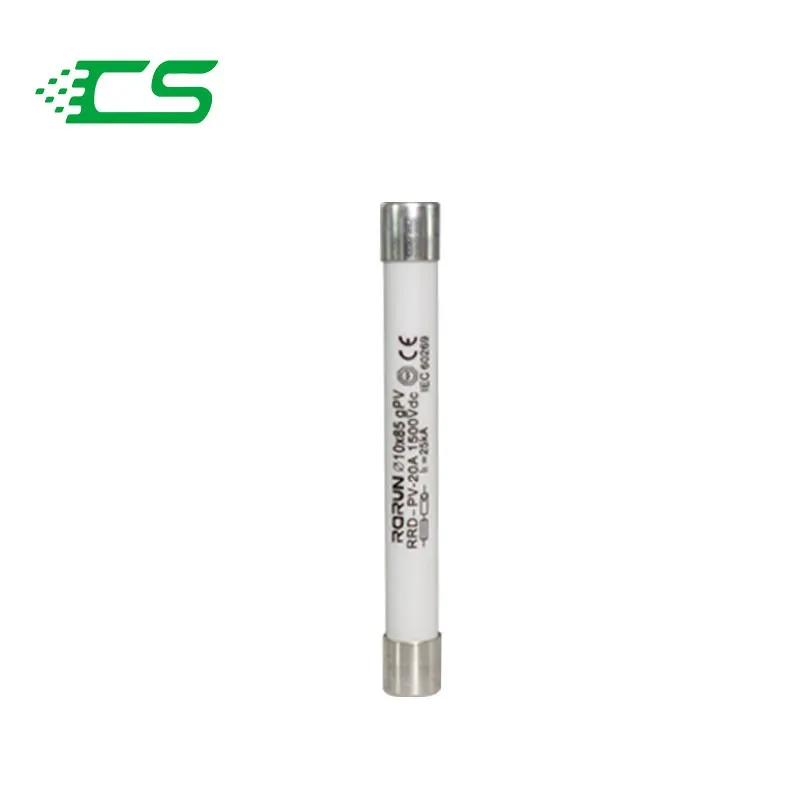
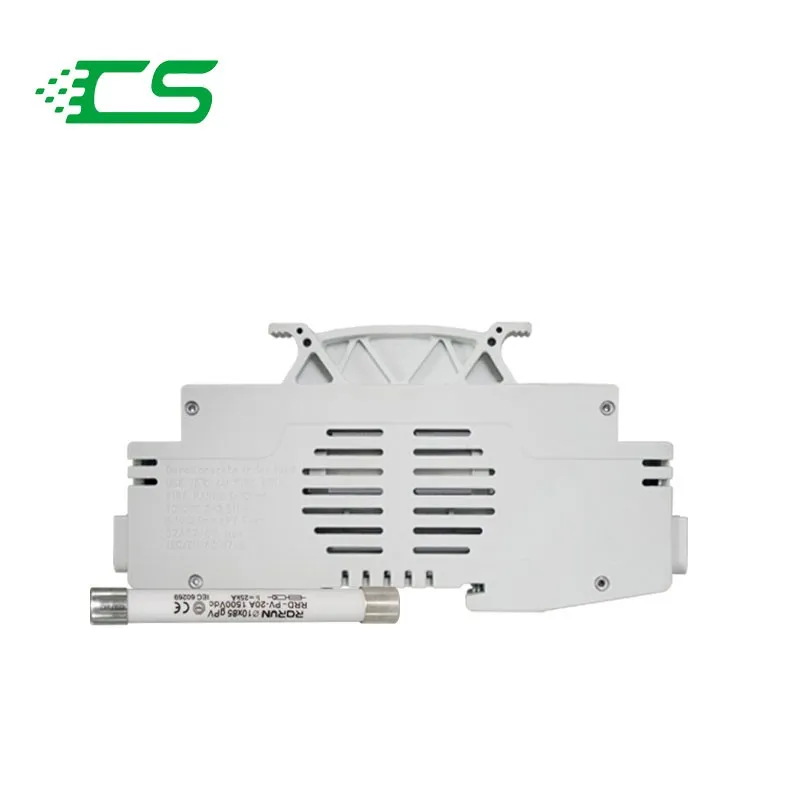
After connecting the main wires, you can start installing the individual breakers for each circuit. Each breaker should be rated for the amperage of the circuit it will protect. Insert the breakers into their slots in the breaker box and make sure they're firmly seated. Then, connect the circuit wires to the breakers. The hot wire goes to the breaker, and the neutral wire goes to the neutral bus bar.
Additional Considerations
There are a few other things to keep in mind when installing an AC circuit breaker box.
Compatibility with Other Equipment
If you have other electrical equipment in your building, such as Solar DC Circuit Protectors or PV Direct Current Safeguards, make sure the breaker box is compatible with them. Some solar power systems, for example, require special breakers or additional protection devices to work safely and efficiently.
Dual Power Supply
In some cases, you might need a Dual Power Supply Automatic Transfer Switch. This switch allows you to switch between two power sources, such as the utility power and a backup generator, in case of a power outage. When installing a breaker box with a dual - power supply system, make sure the switch is properly installed and configured to ensure a smooth transition between power sources.
Conclusion
Installing an AC circuit breaker box is a complex task that requires careful planning and attention to detail. By following the installation requirements for location, electrical specifications, and the proper installation process, you can ensure a safe and reliable electrical system for your building.
If you're in the market for an AC circuit breaker box or have any questions about installation, feel free to reach out. We're here to help you make the right choice and ensure a successful installation. Contact us for more information and to start a procurement discussion.
References
- National Electrical Code (NEC)
- Electrical Installation Manuals
- Manufacturer's Instructions for AC Circuit Breaker Boxes


